نوشته شده توسط : allen weissinger

پیش‌نوشت: این روزها کشور و مردم درگیر زلزله‌ی مرزهای غربی هستند. امیدوارم عزیزان ساکن در این مناطق هر چه زودتر به روند عادی زندگی بازگردند. اما مسئله‌ای که می‌خواهم در مورد آن بنویسم، نحوه‌ی واکنش افراد و مارک‌های تجاری و سازمان‌ها در شبکه‌های اجتماعی به این واقعه است.

با توجه به علاقه‌ای که به شبکه‌های اجتماعی و فعالیت‌های تجاری در آن دارم، همیشه نحوه‌ی برخورد افراد با این وقایع برایم جالب بوده است. چیزی که در اینجا می‌نویسم، صرفا نظر من است و فقط آن چیزی که در طی سال‌ها فعالیت و حضور در شبکه‌های اجتماعی به دست آورده‌ام را خواهم نوشت. همچنین اگر فرد یا سازمانی را نقد کنیم، دلیل نمی‌شود که از نکات مثبت او چشم بپوشیم و یا اگر همیشه فرد یا سازمانی را تمجید کنیم، دلیل نمی‌شود که هیچ نکته‌ی منفی در آن فرد یا سازمان وجود نداشته باشد.

هر آنچه در این نوشته می‌خوانید، صرفا اعلام سلیقه‌ی امروز من است و می‌تواند خودافشایی نیز باشد. از آنجا که امروزه اخلاق نیز دارای پیچیدگی‌های خاصی شده است، نمی‌توانم خود را در زمره‌ی افراد بااخلاق (از دید همگان) بدانم و بگویم سلیقه‌ای که من دارم، اخلاقی‌تر است. اما تاکنون خلاف این سلیقه عمل نکرده‌ام و به نوعی قوانین من در زندگی و کسب‌وکار هستند. همچنین افراد و برندهایی که در این نوشته از آنها یاد می‌کنم، مواردی هستند که در جلوی چشم من بوده‌اند و قطعا افراد و برند‌های دیگری وجود دارند که شاید آنها نیز روشی متفاوت با سلیقه‌ی من را انتخاب کرده باشند.

یکی از خصوصیات بارز ما این است که وقتی کسی از چیزی انتقاد می‌کند، می‌گوییم:

  • آیا مشکل بزرگتر از این وجود ندارد که از این مشکل انتقاد می‌کنی؟

  • همه چیز نسبی است. چیزی که تو از آن انتقاد می‌کنی، با عینک بدبینی که تو به چشمت زده‌ای، زشت می‌نماید وگرنه همین که مردم به یکدیگر کمک می‌کنند، بسیار عالی‌است.

  • نمی‌توانی ببینی کسی دارد از اعتبارش برای کمک به مردم استفاده می‌کند؟ اگر تبلیغ هم می‌کند، نوش جانش.

برخی از برنامه‌نویس‌ها وقتی یک باگ و مشکل امنیتی مثلا در سیستم بانکداری پیدا می‌کنند، اقدام به برداشت پول از حساب‌های بانک می‌کنند و این برداشت پول را هشداری به بانک می‌دانند تا مشکل امنیتی خود را برطرف کند. برخی از آنها نیز بدون برداشت پول، این مشکل امنیتی را به بانک اعلام می‌کنند تا برطرفش کند. هر دوی آنها نیز ایرادی در روش خود و نحوه‌ی برخورد با این مشکل امنیتی پیدا نمی‌کنند و آن را درست و صحیح می‌دانند.

و یا یک سلبریتی که هزینه‌ی تبلیغات در صفحه‌ی اینستاگرام او ۲۰ میلیون تومان است، به جهت کمک به مردم زلزله‌زده، از فالوئرهایش ۲۰ میلیون تومان پول جمع کند و به یک شرکت تولیدکننده‌ی آب معدنی مراجعه کند و از آن شرکت ۳۰ میلیون تومان آب معدنی خریداری کند (اگر از سود آن شرکت بر روی آب‌معدنی صرف‌نظر کنیم، این ۳۰ میلیون تومان آب‌معدنی برای آن شرکت ۲۰ میلیون تومان هزینه داشته است) ولی سلبریتی پولی بابتش پرداخت نکند و آن آب‌معدنی‌ها را برای زلزله‌زده‌ها ارسال کند و به جایش برای آن شرکت تبلیغ کند، آیا کار اشتباهی انجام داده است؟ او با اینکه پولی پرداخت نکرده است اما از پتانسیل خود برای تبلیغات استفاده کرده و ۱۰ میلیون تومان هم بیشتر آب معدنی ارسال کرده است. فقط پولی پرداخت نکرده است.

با توجه به اینکه گویا راه درست و غلط، با راه اخلاقی و غیراخلاقی، متفاوت شده است و حتی شاید چیزی به نام اخلاقی و غیراخلاقی نیز وجود ندارد و صرفا آن راهی برنده است که قدرت و یا طرفدار بیشتری در آن وجود دارد، به همین دلیل است که می‌گویم گویا اخلاق، نسبی شده است و افراد از دید خود به آن نگاه می‌کنند. لذا مجبورم که باز هم بگویم آنچه می‌خوانید، صرفا سلیقه‌ی من است و نحوه‌ی برخوردم با برخی وقایع.

واقعیت این است که وقتی یک موج یا جو در شبکه‌های اجتماعی به وجود می‌آید، تشخیص نوع فعالیت و درست یا غلط بودن فعالیت افرادی که سوار بر این موج می‌شوند، آسان نیست و ممکن است با خطاهای بسیاری همراه باشد. اما سعی من است در این نوشته مواردی را مطرح کنم که بیش از آنکه به درست بودن و سالم بودنشان شک داشته باشیم، با نگرش امروزم، به غلط بودن این نوع رفتارها و فعالیت‌هایی که از آنها می‌نویسم، اطمینان دارم و می‌توانم بگویم که اگر قرار است موج‌سواری کنیم، چنانچه شبیه مثال‌های این نوشته، موج‌سواری نکنیم، بعید است که برچسب سواستفاده از شرایط و جو پیش آمده را بر ما بچسبانند. و البته شاید موج‌سواری ما سالم و فارغ از هرگونه سواستفاده باشد.

منبع:اینجا


:: بازدید از این مطلب : 541
|
امتیاز مطلب : 0
|
تعداد امتیازدهندگان : 0
|
مجموع امتیاز : 0
تاریخ انتشار : چهارشنبه 10 بهمن 1397 | نظرات (0)
نوشته شده توسط : allen weissinger


1. Start with a plan

Every good business strategy starts with a good plan. Social media marketing for small business is no different. Since it’s so easy to use and you can get started with organic posts for free, it might be tempting to dive in and just start posting.

But without a plan, you have no way of knowing what you’re trying to achieve with your social media posts, and no way to measure whether you get there. Taking the time to create a social media plan right upfront will ensure that all your social efforts support specific business goals.

As we outline in our guide to creating a social media marketing plan, you need to:

  • Set social media goals and objectives: Create goals that follow the SMART framework—they should be specific, measurable, attainable, relevant, and timely. Base your goals on metrics that will have a real impact on your business, like acquiring customers or raising your conversions rate, rather than simply racking up likes.

  • Research the competition: What is your competition up to on social media? While you don’t want to copy them, learning from what others have done is a great way to reduce your learning curve. A competitive analysis and some social listening strategies can give you insight into what’s working and what’s not for other businesses like yours.

  • Conduct a social media audit: If you’re already using social media, now’s the time to take a step back and evaluate what you’ve done so far. As part of your audit, you’ll also look for impostor accounts that may be stealing your online thunder. We’ve got a full social media audit template to walk you through the process.

  • Find inspiration: You’ve had a look at what your competitors are doing online, but what about other businesses? Take inspiration from the success of small business in all industries. Where can you find these success stories? Head to the business section of most social networks and you’ll find useful case studies. It’s also a great idea to ask existing followers what they want to see more of, then give them exactly what they ask for.

  • Create a social media calendar: A social media calendar helps you post the right content to the right social channels at the right time. It should include a plan for your content mix. Try starting with the 80-20 rule: Use 80 percent of your content to inform, educate, or entertain your audience and 20 percent to promote your brand or sell your products.

2. Decide which platforms are right for you

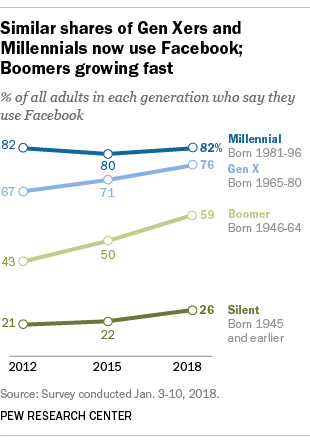
Don’t make assumptions about where your audience spends their time online. Your instinct might tell you that you should skip Facebook and focus on Instagram and Snapchat if you’re targeting millennials, but the data shows that 82 percent of millennials still use Facebook.

social media for small business

We’ve compiled demographics information for all of the major social networks that can help you gauge where your audience spends their time online.

Keep in mind that you can use different social channels to reach different audiences, or to meet different business goals.

And remember that these demographics are just an overview. It’s important to understand how to reach your specific audience. In order to figure that out, you’ll need to make sure that you really…

3. Know your audience

Using social media for small business let you micro-target your audience—but first you need to understand who your audience is. By compiling data on your current customers and then digging deeper with social media analytics, you can develop a solid picture of who’s buying from you and who’s already interacting with you online. Then you can revisit your social media plan to include ways to reach more people just like them.

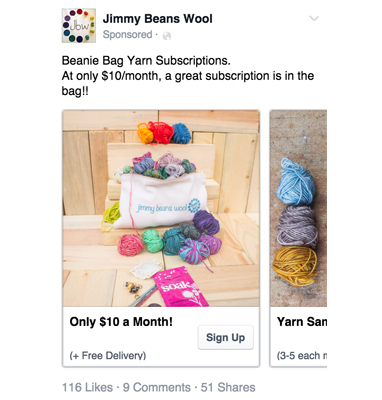
For example, Jimmy Beans Wool clearly understood its core market was crafty knitters and crocheters across the United States and Canada. But when the company first started, it had limited access to this huge group. The company had an email subscription list of dedicated fans, but that was not a large enough audience to sustain and grow the company.

When Jimmy Beans launched a first-of-its-kind subscription service for yarn samples and supply kits, they used a Facebook lookalike audience to reach people who shared the same characteristics as their existing dedicated fans. The ads brought in 1,000 subscribers in 36 hours—such a massive response that Jimmy Beans had to pause the ad for a few days so they could catch up with the orders. That’s a sure sign that the company understood its audience well and created an offer that spoke directly to their wants and needs.

social media for small business

Using social media marketing, this small yarn shop has grown into a multi-million-dollar business.

source:here


:: بازدید از این مطلب : 552
|
امتیاز مطلب : 0
|
تعداد امتیازدهندگان : 0
|
مجموع امتیاز : 0
تاریخ انتشار : یکشنبه 30 دی 1397 | نظرات (0)
نوشته شده توسط : allen weissinger

oughly three months after launching Facebook Watch globally, Facebook reports that the video service has more than 400 million monthly users worldwide.

However, that includes people who spend as little as 1 minute per month on the service—and it's still a small percentage of the 1.64 billion people we expect will use Facebook by the end of 2018.

What's Holding Back Viewership?

According to a Q2 2018 survey by The Diffusion Group (TDG), half of US internet users—where Facebook Watch has been available since August 2017—had never heard of Facebook Watch. Roughly one-quarter said they had heard of, but never used, the service.

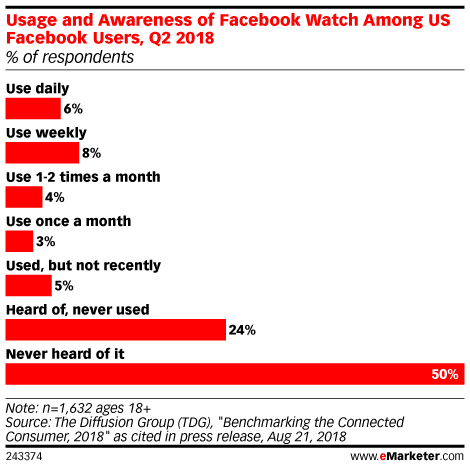
Usage and Awareness of Facebook Watch Among US Facebook Users, Q2 2018 (% of respondents)

Programming may be another factor.

While several shows, including the Elizabeth Olsen-led drama "Sorry for Your Loss," garnered a lot of buzz around the premiere, only a few, like Jada Pinkett Smith's "Red Table Talk," have had continued success. As of December, Red Table Talk had 4.3 million followers on its Facebook page, with its most popular episode drawing 29.8 million views. (The most recent episode, released on Dec. 10, had 4.1 million views).

Facebook may have more luck with the video service by catering to consumers in developing countries with less money to spend on digital entertainment. Facebook Watch is free, while other digital video services like Netflix are subscription-based.

What's more, Facebook Watch will be available on Facebook Lite, a version of the app that uses less battery life and works on slower internet speeds, meaning bandwidth and device age will no longer be barriers to adoption.

Is Facebook Watch a New YouTube or Netflix ... or Something Else?

When Facebook Watch first launched in the US, it was primarily intended as a home for original, creator-led content, similar to YouTube. But when Facebook started investing in higher-quality episodic programming, it also started becoming more Netflix and Hulu-esque. As it grows its library of non-exclusive video content, which currently includes 1990s cult-classics like "Buffy the Vampire Slayer" and "Angel," it seems that Facebook is serious about taking on well-established players.

Still, Facebook Watch's place in the digital video ecosystem will probably be unique. Despite its various forays into video in 2018, Facebook is first and foremost a social network, and that will set it apart from pure-play digital video platforms.

One example is Facebook's Watch Parties, which allow users to watch videos on Facebook together in real-time and interact with each other. Whether that and similar social initiatives drive more Facebook Watch usage remains to be seen.

source:here


:: بازدید از این مطلب : 541
|
امتیاز مطلب : 0
|
تعداد امتیازدهندگان : 0
|
مجموع امتیاز : 0
تاریخ انتشار : چهارشنبه 26 دی 1397 | نظرات (0)

data-aos="flip-right"
💬 نظرات کاربران
💬ثبت نام کاربران
💬ورود کاربران